Analyzing Squad Depth Effects on Team Performance During Periods of Fixture Overload
Written by Sage Roth · Aug 26, 2026
Analyzing Squad Depth Effects on Team Performance During Periods of Fixture Overload
Fixture congestion creates distinct challenges for football clubs across multiple competitions, and squad depth emerges as a central variable that shapes results in those compressed periods. Teams face back-to-back matches in domestic leagues, European tournaments, and cup ties, which forces managers to manage player availability, recovery times, and tactical adjustments. Data collected from major European leagues shows that clubs with larger, higher-quality squads maintain more consistent performance metrics when games cluster within short windows.
Patterns in Workload Distribution Across Seasons
Researchers tracking player minutes across the Premier League and Bundesliga have documented how rotation strategies shift when schedules intensify. Squads that distribute minutes among six or more outfield players in key positions experience fewer drops in expected goals and pass completion rates during stretches of three matches in eight days. In contrast, teams reliant on smaller cores show measurable declines in sprint distance and defensive duels won after repeated high-intensity fixtures. These patterns hold steady across multiple campaigns, providing analysts with repeatable indicators for forecasting outcomes.
August 2026 marks the opening of the new domestic season alongside expanded European group stages, and early data already points to elevated fixture density for clubs competing on multiple fronts. Scheduling overlaps between league openers and continental qualifiers place immediate pressure on squad resources, particularly for sides with limited options in defense and midfield. Observers note that clubs investing in depth during the summer window demonstrate stronger early-season results in these overlapping periods.
Statistical Links Between Depth and Match Outcomes
Studies from performance analysis departments at several top-flight clubs reveal that teams maintaining at least two players rated above a defined threshold in each position record higher win percentages during congested blocks. Metrics such as distance covered per minute and successful high presses remain closer to seasonal averages when rotation occurs, whereas single-player dependency correlates with sharper drops in those figures. One dataset covering 2024 through 2026 seasons indicates that sides with above-median squad depth convert 12 percent more points from midweek fixtures than shallower rosters in the same fixture clusters.

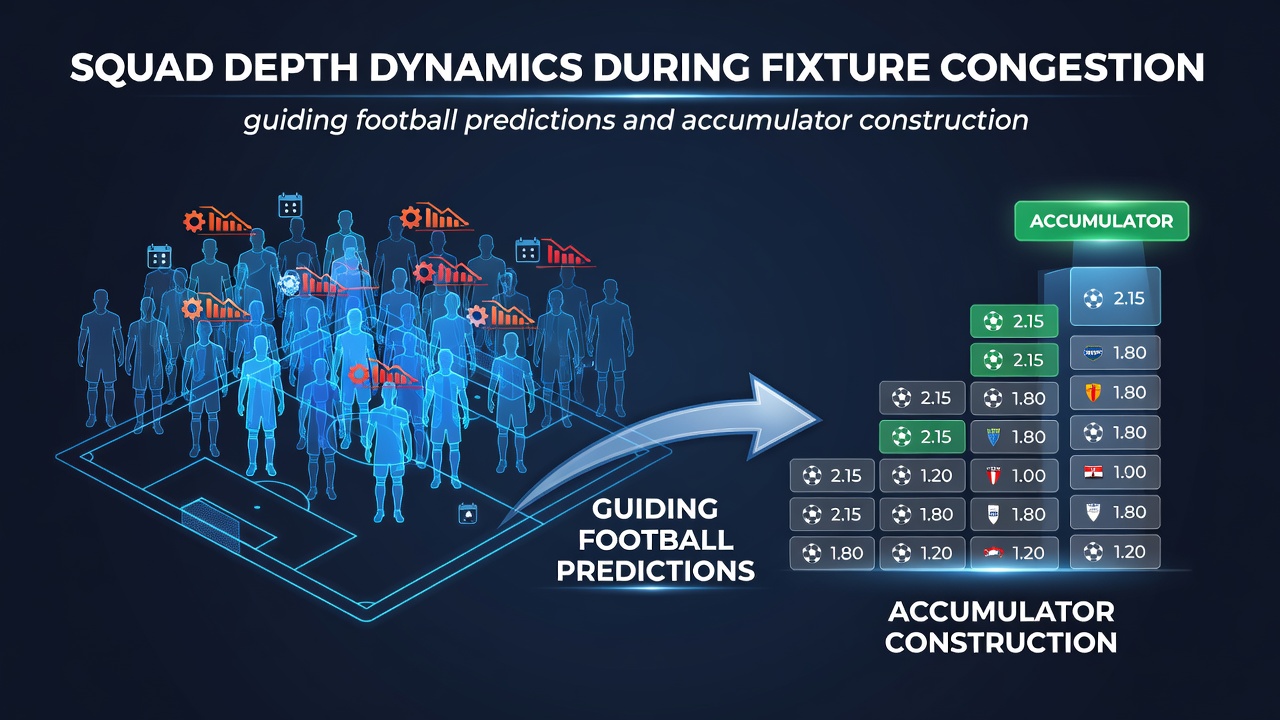
These findings extend to prediction models used by analysts, where squad depth indices now feature alongside traditional form and head-to-head records. When constructing accumulators, selectors incorporate depth metrics to identify matches where one side holds a measurable advantage in bench quality. This approach refines selections by highlighting fixtures in which rotation is less likely to disrupt overall performance.
Application in Accumulator Frameworks
Accumulator construction benefits when depth indicators filter potential selections. Analysts cross-reference fixture density charts with squad valuation data to isolate games where the deeper team faces opponents already showing signs of fatigue. Historical results from similar schedule clusters demonstrate that such pairings produce more stable outcomes than selections based solely on recent league position. For instance, matches scheduled within 72 hours of a prior European tie often favor sides that can field near-full-strength lineups without relying on fringe players.
Geographic comparisons further strengthen these models. Reports from the Australian Institute of Sport on athlete workload management align with European club data, showing that structured rotation reduces injury rates and preserves performance output across repeated matches. European Club Association publications echo these observations, noting that investment in squad breadth directly supports results during periods of elevated fixture frequency.
Regional Variations and Emerging Data Sources
North American soccer leagues provide additional context through their own congestion studies, where travel demands compound fixture pressure. Findings indicate that teams with deeper attacking options maintain higher shot creation rates in compressed schedules, offering another layer for prediction refinement. Analysts integrate these regional insights to adjust models for clubs with international player commitments, particularly ahead of the 2026 international calendar peaks.
Conclusion
Squad depth functions as a measurable factor that influences team output when fixtures accumulate, and prediction frameworks increasingly incorporate depth indices alongside conventional statistics. Data from multiple leagues and research bodies demonstrates consistent correlations between rotation capacity and maintained performance levels. Those constructing accumulators apply these patterns to refine selections, focusing on matches where depth provides a tangible edge in congested periods. Continued tracking of player workload and squad composition supplies ongoing material for refining forecasts as schedules evolve through the 2026 season and beyond.