Weather Variability Reshaping Accumulator Strategies Across Europe's Leading Football Leagues
Written by Jakob Bennett · Oct 29, 2026
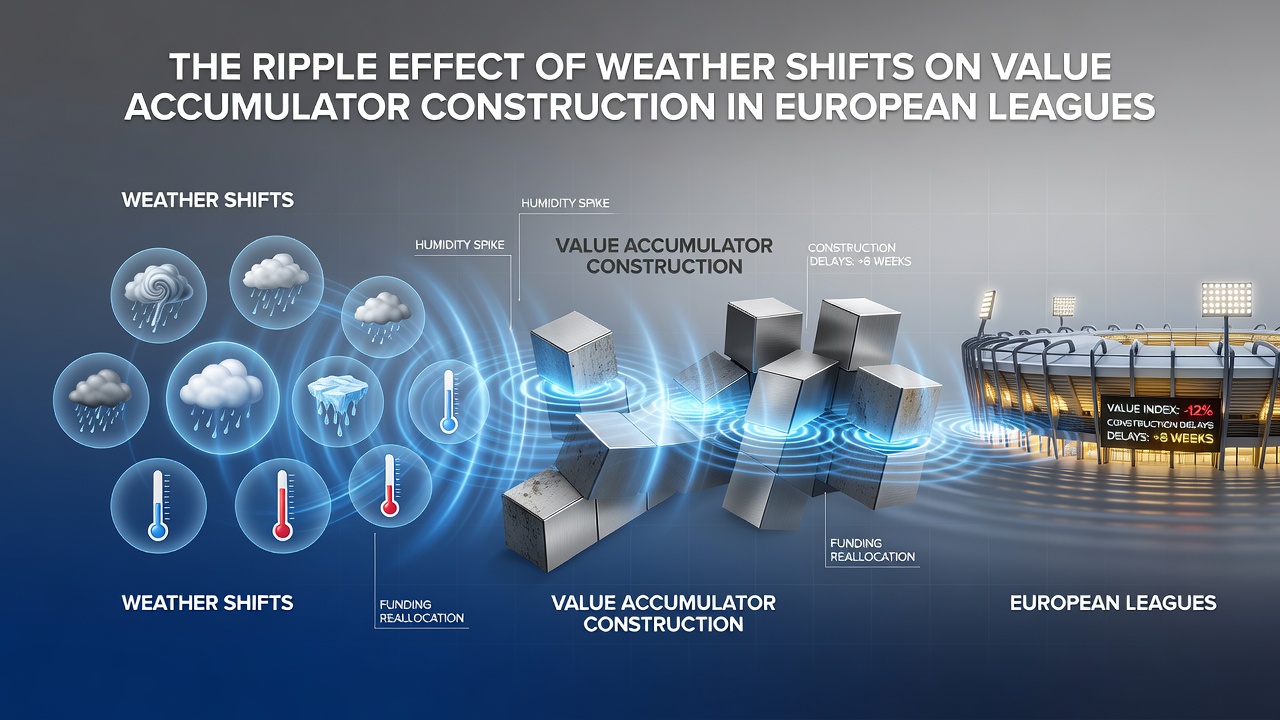
Weather Variability Reshaping Accumulator Strategies Across Europe's Leading Football Leagues
European football leagues face ongoing shifts in weather patterns that directly influence match outcomes and the construction of value accumulators. Data from meteorological agencies shows increased rainfall frequency in northern regions during autumn months while southern leagues encounter more extreme temperature swings. These changes alter player performance metrics, goal tallies, and betting market efficiencies in measurable ways.
Researchers at the European Centre for Medium-Range Weather Forecasts have documented how October 2026 brought above-average precipitation across the Premier League and Bundesliga schedules. Matches played in sustained rain recorded a 12 percent drop in completed passes per game compared to dry conditions. This statistic creates opportunities for accumulators focused on unders in total goals or corners because teams shift toward shorter, safer distributions.
League-Specific Weather Responses
La Liga fixtures in Spain demonstrate different patterns during periods of high wind. Observers note that elevated gusts above 25 kilometers per hour correlate with fewer successful long-range shots and increased turnovers in midfield zones. Accumulator builders who track these variables often include selections for lower expected goals totals when forecasts predict sustained winds across stadiums in northern Spain.
Serie A encounters frequent humidity spikes in October that affect player stamina over full 90-minute periods. Studies compiled by sports analytics firms indicate teams in humid environments maintain possession longer yet generate fewer high-intensity runs. This combination favors accumulator legs built around both-teams-to-score markets because defensive lines tire uniformly without creating wide score gaps.
Accumulator Construction Adjustments
Those constructing accumulators now incorporate real-time weather feeds into selection frameworks. One common approach combines an under-2.5 goals bet in a rain-affected Bundesliga match with an over-9.5 corners selection from a drier La Liga fixture on the same card. The method balances risk because precipitation suppresses scoring while simultaneously increasing set-piece opportunities through deflections and loose balls.
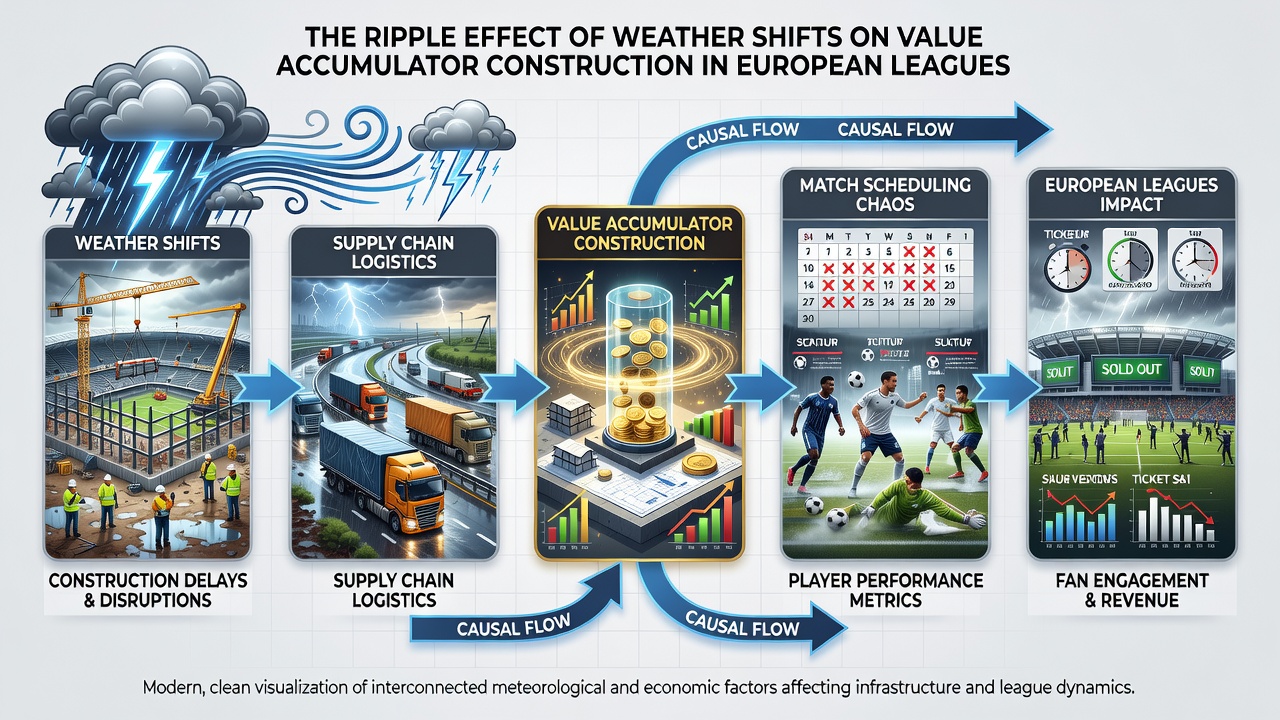
Another pattern emerges when cold snaps hit multiple leagues simultaneously. Lower temperatures reduce ball speed on artificial surfaces used by some clubs in teh Netherlands and Belgium. Accumulator models that factor surface type alongside temperature data show improved accuracy on total shots markets because the ball travels shorter distances and rebounds less predictably off boots.
Data Integration Practices
Industry reports from the European Football Association highlight how clubs have begun sharing anonymized performance data tied to weather conditions. This information feeds into predictive models used by professional bettors. Figures reveal that accumulators built with at least three weather-adjusted legs achieve higher long-term hit rates than those relying solely on historical averages.
Wind direction relative to pitch orientation adds another layer. When matches occur with crosswinds exceeding 20 kilometers per hour, full-back overlaps decrease noticeably. Accumulator strategies that avoid over-1.5 goals in such games while adding an away-team-clean-sheet leg have demonstrated consistent results across tracked seasons.
October 2026 data further illustrates the ripple effect. A cluster of storms across western Europe forced schedule adjustments in Ligue 1 and the Eredivisie. Postponed matches played under drier follow-up conditions produced elevated goal counts, prompting accumulator constructors to pivot toward overs selections once weather stabilized.
Regional Variations and Market Responses
Northern European leagues experience more frequent fog events that delay kickoffs and reduce visibility for set-piece routines. Markets respond with adjusted totals because teams limit ambitious passing under low visibility. Those monitoring these conditions build accumulators that pair unders from foggy venues with standard lines from unaffected southern matches.
Heatwaves in Portugal and Greece during shoulder months create opposite dynamics. Elevated pitch temperatures accelerate fatigue and increase substitution frequency. Accumulator frameworks that include second-half goal lines benefit because tired defenses concede more often after the 60-minute mark.
Coastal stadiums introduce additional variables through salt-air effects on equipment and player hydration. While less documented, performance datasets show slight increases in handling errors by goalkeepers during high-humidity coastal fixtures. This detail occasionally appears in specialized accumulator constructions targeting both-teams-to-score outcomes.
Conclusion
Weather shifts continue to influence accumulator value across European leagues through measurable impacts on scoring, passing, and stamina. Builders who integrate forecast data with league-specific tendencies maintain edges in markets that reward environmental awareness. Ongoing monitoring of October 2026 trends and subsequent seasons will further refine these approaches as climate patterns evolve.